Pokémon and TCG card shows: singles, sealed, trade nights, and bringing kids
By Treasure Trove Editorial · · 4 min read
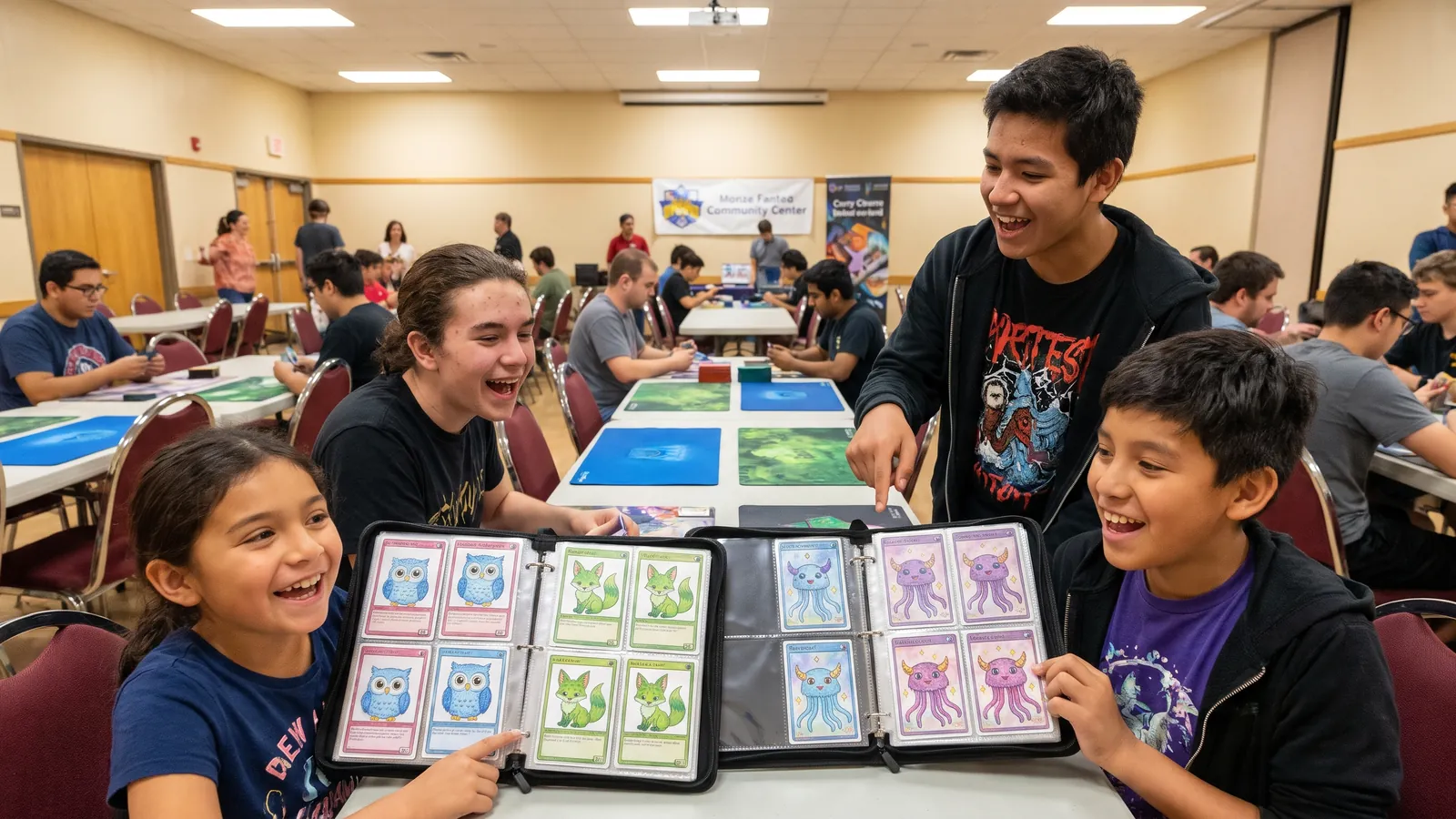
Pokémon and other trading card games have changed what card shows look like. More tables sell singles and sealed product, more shows run trade nights, and the crowd is younger. Here is how to get the most out of a TCG-heavy show.
Singles are usually the best value
If you want a specific card, buy the single. Opening packs to chase one card almost always costs more than buying it outright. Shows are one of the best places to buy singles, because you can see the card in person, check condition, and compare prices across tables in minutes.
Know which version you want. The same character can have many prints: regular, reverse holo, full art, alternate art, promo, and different languages. Prices can differ by a lot between versions that look similar at a glance. Check the set symbol and card number in the corner.
Sealed product: check before you pay
Booster boxes, elite trainer boxes, and packs are popular at shows, and prices vary. Compare against what big-box stores and online sellers charge before you buy. Resealed and tampered product exists, so take a close look:
- Shrink wrap should be tight and even, with clean factory seams. Loose, wrinkly, or melted-looking wrap is a warning sign.
- Packs should feel consistent. Crimps at the top and bottom should be clean and even.
- Be careful with loose packs from older sets at low prices. Searched or weighed packs are a known problem.
- When in doubt, buy from dealers with a long history at the show, and ask what they do if a product turns out to be tampered with.
Spotting fake cards
Counterfeits are more common in TCGs than in sports cards, especially for popular characters. Most fakes are easy to catch once you know what to look for:
- Text: fonts that look off, spelling mistakes, or energy symbols that look blurry.
- Color: washed-out or overly saturated art compared with photos of the real card.
- Finish: holo patterns that look flat, wrong, or cover areas they should not.
- Feel: real cards have a specific stiffness and thickness. Many fakes feel glossy or flimsy.
- Price: if a card is far below every other table's price, there is usually a reason.
Trading at TCG shows
Trading is a big part of TCG culture, and many shows have an open trade area or a trade night. Bring your trade binder with cards in sleeves, organized so people can flip through quickly. Agree on a price source before you start, add up both sides, and settle the difference in cash or more cards. Read card show etiquette before you trade with dealers.
Trading with other kids and teens is common. Parents, it helps to set a rule ahead of time, like checking with you before trading away any card worth more than a set amount. Price apps make it easy for everyone to see what a card is worth.
Bringing kids to a TCG show
TCG shows are some of the most kid-friendly events in the hobby. Many have free or discounted entry for children. A few things help the day go well:
- Give each kid their own budget in cash. It turns every purchase into a real choice.
- Start at the bulk bins and binders, where cards are cheap and there is a lot to dig through.
- Bring sleeves and a small box so new cards come home safe.
- Plan a break. Big shows are loud and busy, and a snack stop resets everyone.
- Check the listing for side events, play areas, or tournaments, and confirm times with the organizer.
Languages and regional prints
You will see cards in Japanese, Korean, Chinese, and other languages at most TCG shows. Some collectors prefer them for print quality, exclusive art, or price. They are real cards, but they are priced separately from English versions, and some are worth more while others are worth much less. Check comps for the exact language and set before you buy. If you play in sanctioned events, also check which languages are allowed.
Budgeting for a TCG show
TCG shows are full of things that are easy to buy on impulse: a pack here, a cheap single there. A simple plan helps. Pick one or two goals, like finishing a set, upgrading a deck, or finding one chase card, and give most of your budget to those. Keep a small amount for fun. Write down what you paid as you go so you can see where the money went.
If you want to rip packs, consider buying a few at the end of the day with whatever is left in your fun budget, rather than at the start. You will make better choices once you have seen what singles cost in the room.
Tournaments and side events
Some card shows run tournaments, league play, or casual play areas. These are usually announced by the organizer or a local game store partner, sometimes close to the date. If you want to play, check the show description and the organizer's site, and bring your deck and deck list in case one is required.
Graded TCG cards
Graded slabs are common at TCG shows, especially for older and higher value cards. Check the certification number on the grading company's site before you buy, and compare prices for the same grade from the same company. Our grading guide explains what to look for.
Find a show with your game: browse Pokémon card shows, Magic: The Gathering shows, Yu-Gi-Oh! shows, or other TCG shows, or see what is on this weekend.
Quick answers
Are Pokémon card shows worth it?
Yes, especially for singles. You can see cards in person, check condition, and compare prices across many tables. Sealed product is less reliably a deal, so compare against retail first.
How do I spot a fake Pokémon card?
Check the text and fonts, the color of the art, the holo pattern, and how the card feels. Compare against photos of a real copy, and be wary of prices far below every other table.
Can kids trade at card shows?
Yes. Trading is a big part of TCG shows. Agree on a price source, and parents may want a rule about checking in before trading away higher value cards.
Find a show to try it at
See what is on near you this weekend, sorted by distance.