Your first card show: what to bring, what to expect, how to not overspend
By Treasure Trove Editorial · · 4 min read
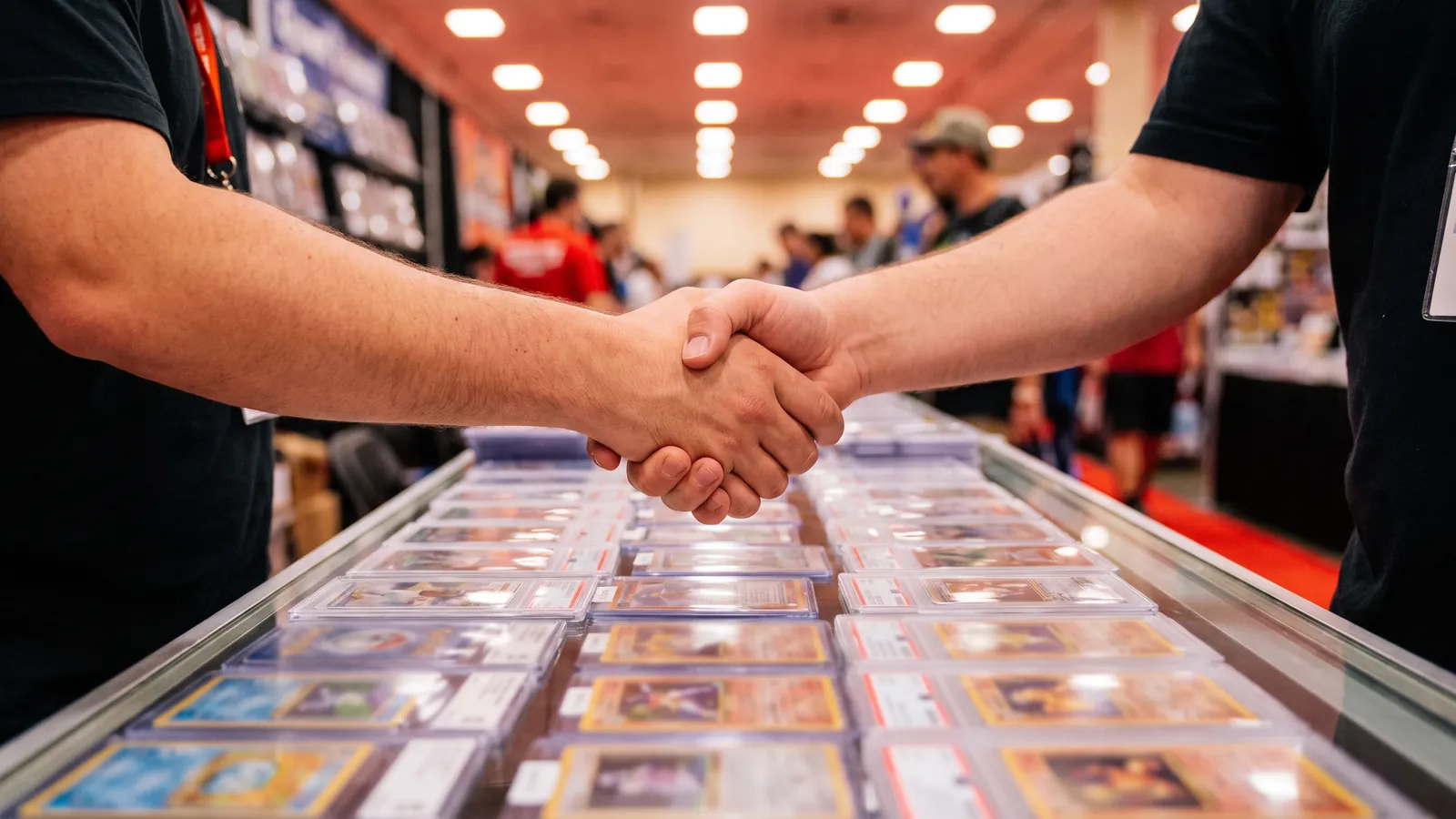
A card show is a room full of tables, and every table is a small shop run by someone who loves cards. That is the whole idea. It can feel loud and fast the first time, but the people behind the tables want you to come back. Here is how to walk in prepared.
Pick the right first show
Your first show does not need to be the biggest one in the state. A local show with 30 to 80 tables is easier to walk in an afternoon, dealers have more time to talk, and you will see the same faces again next month. Big regional shows are great once you know what you are looking for, but 400 tables on day one can be a lot.
Start with the map of upcoming shows or the shows this weekend page. Every listing has the dates, public hours, admission, and table count when the organizer has published it. If a show lists early access hours, those are usually paid passes for serious buyers. General admission is when the doors open for everyone.
What to bring
- Cash, in small bills. Many dealers take card payments and payment apps now, but cash still gets the best deals and the fastest transactions. Twenties, tens, and fives make it easy to pay exact amounts.
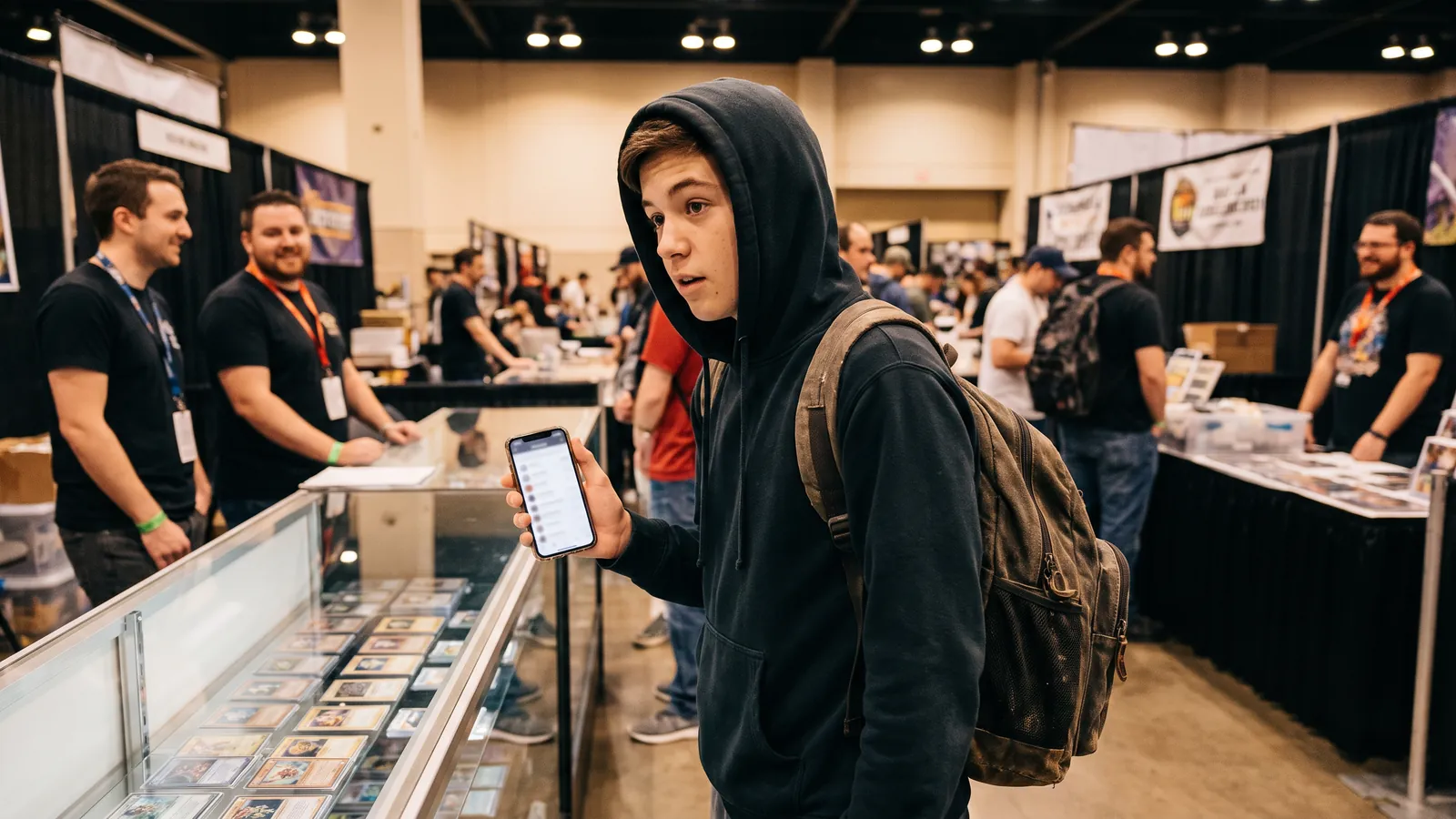
- A phone with a charge. You will use it to check recent sold prices. A small battery pack helps at long shows.
- A want list. Write down the players, sets, or characters you care about, and a rough price you would pay for each. This keeps you focused when every case looks interesting.
- Supplies for what you buy. A few penny sleeves, top loaders, and a team bag or small box keep raw cards safe in your bag.
- A tote or backpack you can close. Shows are crowded, and an open bag is an easy target.
- Water and a snack. Food at venues can be limited and expensive.
How the floor works
Most shows are laid out in rows of tables with glass display cases on top. Higher value cards live in the cases. Lower value cards are in binders, bins, and boxes on the table, often with a flat price per card like $1, $5, or three for $10. Those bins are where a lot of the fun is, especially if you collect a specific player or character.
Do a lap first. Walk every aisle without buying anything, and note the tables that have what you want. Prices for the same card can vary a lot from one table to the next, and the first one you see is rarely the best. After a lap you will have a sense of what things cost in that room.
When you want to see a card in a case, ask. Say which card you mean and the dealer will take it out for you. Do not reach into a case or lift the glass yourself. Hold cards by the edges, and hand them back the way you got them.
Prices and haggling
Many cards will have a price sticker. Some dealers price at market, some above, and a few below to move inventory. Before you buy anything over a few dollars, check recent sold listings on your phone, not current asking prices. Sold prices tell you what people actually paid.
Haggling is normal at most shows, but there is a polite way to do it. Ask "what is your best price on this?" instead of naming a low number first. If you are buying several cards from the same table, ask for a bundle price. Offers of 10 to 20 percent below sticker are common and usually not insulting. Offers of 50 percent below are, unless the card is clearly overpriced and you can show why.
If a dealer says no, that is fine. Say thanks and keep walking. You might come back later in the day, when some dealers get more flexible.
Set a budget you will actually keep
The easiest way to overspend is to buy a little at every table. Decide on a total before you walk in and split it: most of it for the cards on your want list, and a small amount for impulse finds. When the impulse money is gone, it is gone. Some collectors bring only the cash they plan to spend and leave their card at home.
It also helps to wait on bigger purchases. If a card costs more than you planned, write down the table number and come back after your lap. If you still want it an hour later, it is probably a good buy for you.
Selling or trading on your first visit
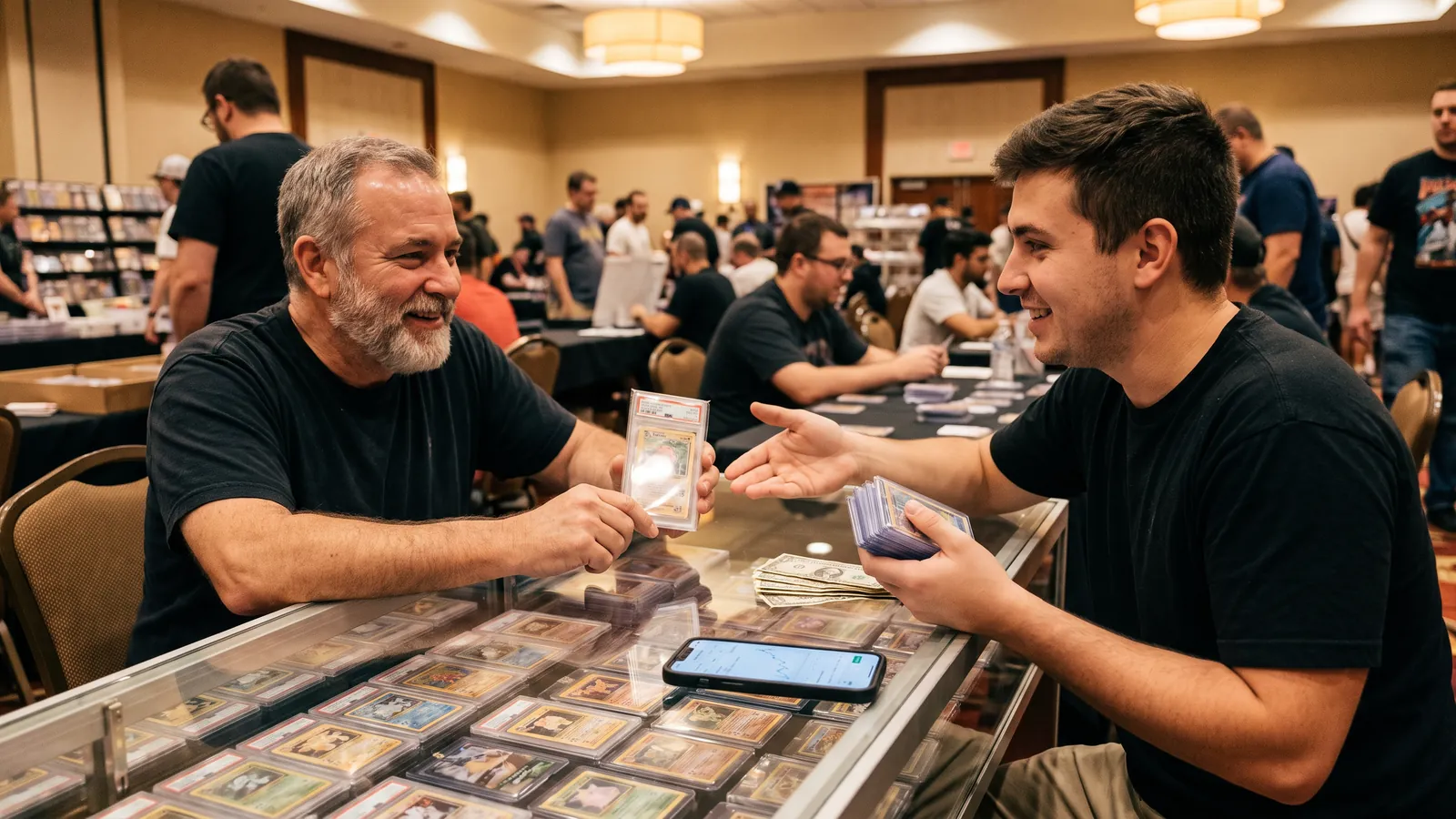
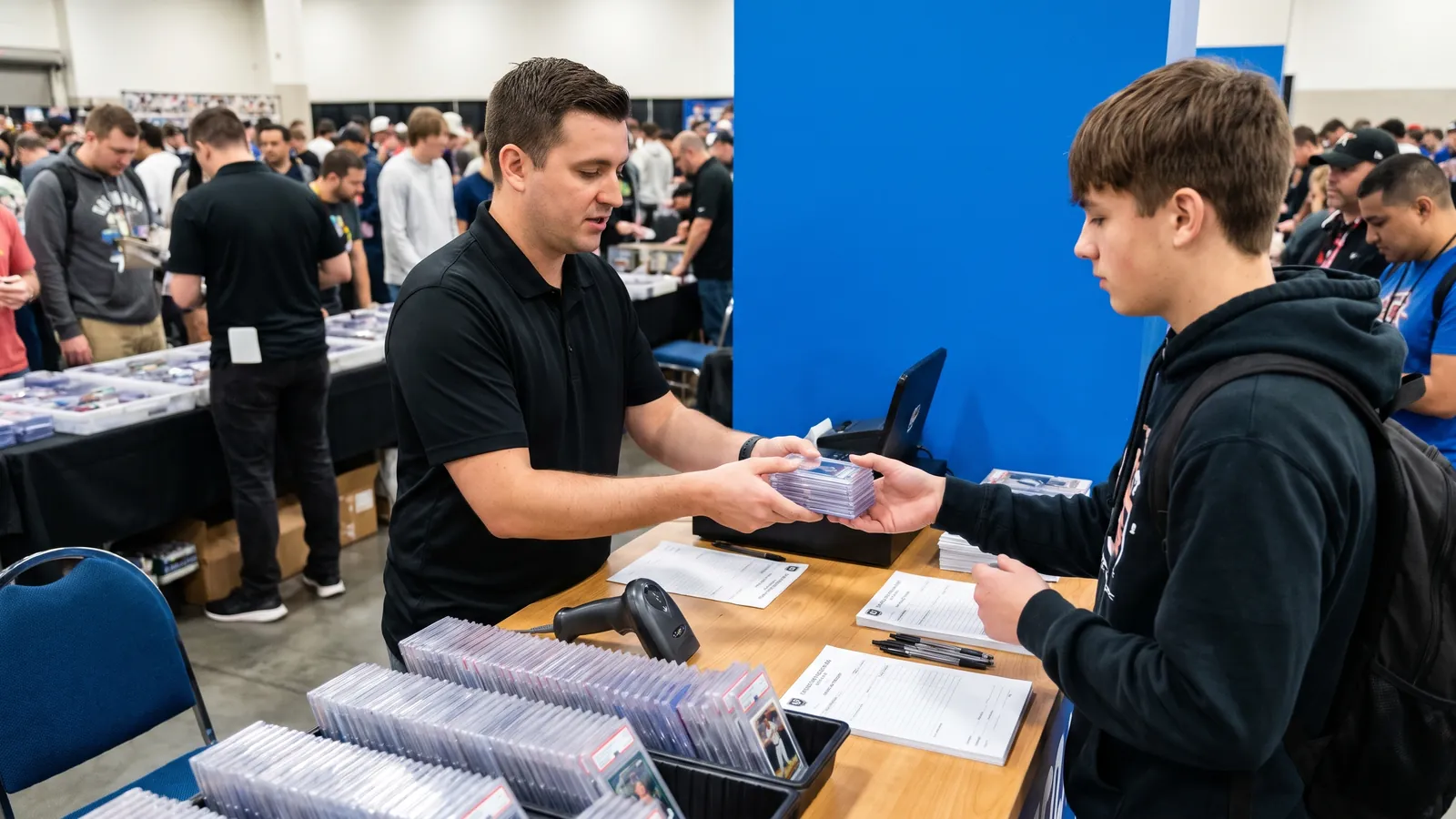
You can sell and trade at your first show, but go in with clear expectations. Dealers need to make money on resale, so a cash offer will usually be below what the card sells for online. Trades tend to get closer to full value. Our guide to buying and selling at card shows covers how dealers price offers and how to get a fair one.
Little things that make the day better
- Get there early on day one for the best selection, or late on the last day for the best deals.
- Check the show page for parking notes. Some venues charge, and big shows fill lots fast.
- Take a photo of the floor map or table list if the organizer posts one.
- Grab a business card from dealers you like. Many sell online between shows.
- Read up on card show etiquette if you want to know the unwritten rules before you go.
Shows are also where the hobby gets social. Ask dealers about their favorite cards. Ask other collectors what they are chasing. Most people in that room started exactly where you are.
When you are ready, find a show near you or browse card shows by state.
Quick answers
How much money should I bring to my first card show?
Whatever you are comfortable spending, in cash. Many first timers do well with $50 to $150. Split it between want list cards and a small impulse budget, and stop when it is gone.
Do I need to pay to get into a card show?
Some shows are free. Others charge $2 to $25 at the door depending on size, with optional early access passes. Each Treasure Trove listing shows admission when the organizer has published it.
Is it okay to haggle at a card show?
Yes, politely. Ask for the dealer's best price, ask for a bundle price when buying several cards, and keep offers reasonable. If they say no, thank them and move on.
What time should I arrive?
Early on the first day for selection, late on the last day for deals. Check the listing for general admission hours, since early access is often a separate paid pass.
Find a show to try it at
See what is on near you this weekend, sorted by distance.